
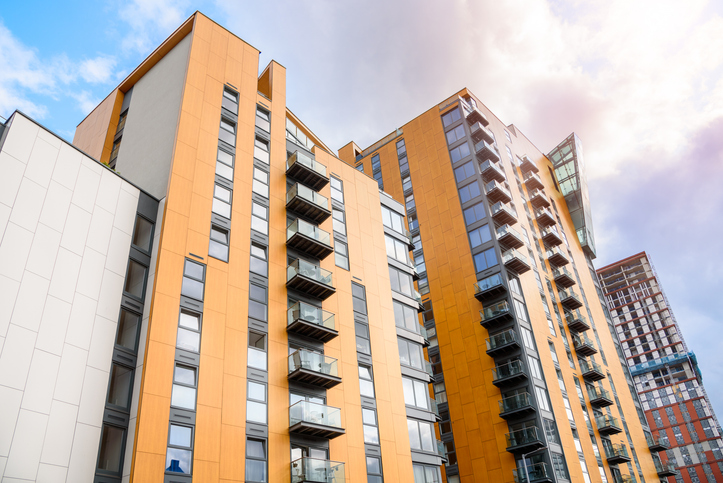
Buying or selling a leasehold flat? The Building Safety Act may affect the information, checks and documentation required before your transaction can proceed.
| AUTHOR Hema Patani, Partner at BHW Solicitors. Hema has extensive experience advising buyers and sellers on residential property transactions, including complex leasehold matters where Building Safety Act considerations arise. |
Introduction
The Building Safety Act 2022 introduced major changes to the regulation of residential buildings and new financial protections for some leaseholders affected by historical building safety defects. For flat owners, buyers and sellers, the legislation can add another layer of complexity to an already detailed conveyancing process.
If you are buying, selling or remortgaging a leasehold property in England, you may be asked to provide or review additional information relating to the building, remediation works and the statutory protections available to qualifying leaseholders.
Understanding when the legislation may be relevant, what documents could be required and how the position may affect a transaction can help you prepare early and reduce the risk of avoidable delays.
What Is the Building Safety Act?
The Building Safety Act 2022 forms part of the reforms introduced following the Grenfell Tower tragedy. It created a new building safety regime and, alongside related regulations, introduced protections intended to prevent qualifying leaseholders from bearing certain costs associated with relevant historical safety defects.
For conveyancing purposes, the legislation is important because buyers, sellers, lenders and conveyancers may need to establish whether a building and lease fall within the relevant provisions, whether leaseholder protections apply and what supporting documents are available.
The legislation is complex and has been amended since it was introduced. The position must therefore be considered in light of the particular building, lease, ownership arrangements and transaction.
Which Buildings Are Affected?
Different parts of the building safety regime use different definitions and height thresholds. In conveyancing transactions, one important concept is a “relevant building” for the leaseholder protection provisions.
In broad terms, a relevant building for these protections is a self-contained building, or self-contained part of a building, in England that:
- is at least 11 metres in height or has at least five storeys;
- contains at least two dwellings; and
- is not a leaseholder-owned building.
These criteria are only part of the assessment. Whether a particular leaseholder qualifies for protection, and whether a defect or cost is covered, depends on further statutory conditions. Buildings owned collectively by leaseholders can also require separate consideration.
A conveyancer may therefore need information about the building’s height, number of storeys, ownership structure, development history, relevant defects and the status of the lease on the statutory qualifying date.
Why Does the Building Safety Act Matter During Conveyancing?
Leasehold transactions already involve information from landlords, managing agents and management companies. Where Building Safety Act considerations arise, further investigation may be needed before a buyer can exchange contracts or a lender will release mortgage funds.
The parties may need information about:
- whether the building falls within the relevant statutory definitions;
- known building safety defects and investigations;
- completed, current or proposed remediation works;
- who may be responsible for remediation costs;
- whether statutory leaseholder protections apply;
- the available landlord and leaseholder certificates; and
- any additional requirements imposed by the buyer’s mortgage lender.
A property affected by the legislation is not necessarily unmortgageable or unsaleable. However, missing, incomplete or unclear information can make a transaction more involved and may affect its timescale.
Buying a Flat Affected by the Building Safety Act
If you are buying a leasehold flat, it is important to understand the available building safety information before you become legally committed to the purchase. Your conveyancer will consider the documents provided and raise enquiries where further clarification is required.
Potential remediation costs
The existence of building safety works does not, by itself, establish that the leaseholder must pay for them. The legal position can depend on the type of defect, the building, the landlord or developer, the lease and whether the statutory leaseholder protections apply. Buyers should receive advice on the available information and any known or potential liabilities before exchange of contracts.
Mortgage requirements
A buyer’s conveyancer may also act for the mortgage lender and must satisfy the lender’s requirements. Further information may therefore be needed even where the buyer is personally comfortable with the position.
Future ownership and saleability
Buyers will usually want to understand whether unresolved building safety issues could affect future costs, insurance, mortgageability or a later sale. Not every risk can be predicted, but the information available during the transaction should be reviewed carefully so that the buyer can make an informed decision.
Selling a Flat Affected by the Building Safety Act
Sellers may not become aware of the additional information required until enquiries are raised by the buyer’s conveyancer. This can cause delay if documents then have to be obtained from the landlord, freeholder, managing agent or management company.
If your building may be affected, instructing a conveyancer early can allow time to identify what information is likely to be needed. Depending on the circumstances, this may include checking whether a Leaseholder Deed of Certificate has been completed, whether a Landlord’s Certificate has been issued and what information is available about remediation works.
Sellers should keep copies of relevant certificates and correspondence, and provide these to their conveyancer as early as possible. A Leaseholder Deed of Certificate may also need to be passed to the buyer through the conveyancing process.
Key Building Safety Act Documents Explained
Leaseholder Deed of Certificate
A Leaseholder Deed of Certificate is used to demonstrate whether a lease qualifies for the leaseholder protections under the Building Safety Act. A leaseholder can complete one voluntarily and may be required to do so if the landlord requests it because the property is being sold or there is a relevant defect in the building.
The certificate requires specified information and supporting evidence. Failing to provide it when required may affect whether the leaseholder benefits from the statutory protections, so owners should take advice rather than ignore a request.
Landlord’s Certificate
A Landlord’s Certificate provides prescribed information about the landlord, the building and matters relevant to the allocation of remediation costs. It may be required in specified circumstances and can be important when establishing how the leaseholder protection provisions apply.
Management information
The usual leasehold management information remains important. The buyer’s conveyancer may need service charge accounts, planned major works information, insurance details and replies from the landlord or managing agent alongside any Building Safety Act documentation.
Remediation information
Where defects have been identified, the parties may require details of investigations, completed or proposed works, funding arrangements and any amounts that may be sought from leaseholders. The relevance of each document will depend on the particular transaction.
Building Safety Act and Mortgage Lenders
Mortgage lenders may require additional information before lending on a leasehold property affected by the Building Safety Act. Depending on the building and lender, this could include information about building safety investigations, remediation works, landlord or managing agent responses and relevant certificates. Many transactions proceed successfully, but obtaining satisfactory information can take time and lender requirements can vary. Buyers and sellers should therefore be prepared for additional enquiries and avoid assuming that the issue has been resolved simply because a mortgage offer has been issued.
Will the Building Safety Act Delay My Transaction?
Not necessarily. Many transactions involving relevant buildings proceed successfully, but additional time may be needed where:
- the building’s height, storeys or ownership structure must be confirmed;
- certificates are missing, incomplete or inconsistent;
- information is awaited from a landlord, freeholder or managing agent;
- remediation works or funding arrangements remain unclear;
- the buyer’s lender raises further requirements; or
- legal advice is required on whether the leaseholder protections apply.
Early preparation can make a meaningful difference. Sellers can gather documents before a buyer is found, while buyers should tell their conveyancer and lender promptly if they believe the property may fall within the legislation.
Practical Steps for Buyers and Sellers
For buyers
- Tell your conveyancer and mortgage adviser if the property is in a taller residential building.
- Do not rely solely on information given during a viewing or by the estate agent.
- Review your conveyancer’s report and raise questions before exchange of contracts.
- Respond promptly if your lender or conveyancer requests further information.
For sellers
- Instruct a conveyancer early, ideally before or when the property is marketed.
- Locate any Leaseholder Deed of Certificate, Landlord’s Certificate and building safety correspondence.
- Request management information promptly where advised.
- Tell your conveyancer about known investigations, remediation works or previous lender enquiries.
Need More Information About Building Safety Act Conveyancing?
The Building Safety Act has introduced additional considerations for some leasehold property transactions. Establishing whether the legislation applies and what documentation is required can help buyers and sellers understand the position and prepare for the conveyancing process.
At BHW Conveyancing, Building Safety Act matters are led by Hema Patani, an experienced Partner with specialist expertise in BSA transactions. For more information, visit our Building Safety Act Conveyancing service page.
Frequently Asked Questions
Can I still get a mortgage on a property affected by the Building Safety Act?
Potentially, yes. Lenders make their own decisions and may require further building safety and remediation information before they are satisfied.
What commonly causes delays to BSA transactions?
Delays often arise where information or certificates are missing, responses are awaited from landlords or managing agents, remediation arrangements are unclear or a lender raises additional requirements.
Should a seller gather documents before finding a buyer?
Early preparation can be beneficial. A conveyancer can help identify the information likely to be requested so that the seller does not wait until enquiries are raised to begin obtaining it.
What is a Leaseholder Deed of Certificate?
It is the prescribed document used to establish whether a lease qualifies for the statutory leaseholder protections. It must contain specified information and evidence.
What is a Landlord’s Certificate?
It is a prescribed certificate providing information relevant to how remediation costs and the leaseholder protections apply. Whether and when one is required depends on the statutory circumstances.
